
Newport Beach, CA · Garage Door Service
What Your Newport Beach Garage Door Is Actually Dealing With
Newport Beach homes run median build year 1973, with stock from 1938 to 2015 and a mild coastal climate. Here's what that actually means for your door.
- Repairs & new doors
- Springs & openers
- Serving 7 nearby communities
When Waiting Is Fine
Newport Beach sits in a mild temperate climate band, no hard freezes, no snow load, none of the swing that cracks seals and warps panels in colder parts of the country. If your door is original to a house built anywhere in that 1938 to 2015 range, with a median build year around 1973, and it's still opening smooth and closing flush, you don't need to replace it on a schedule. A lot of people hear "old door" and assume it's a ticking clock. It isn't, not here.
Across the 26 named areas that make up this stock - whether you're closer to Corona Del Mar, Newport Center, or Newport Coast - the common thread is houses from the same general era, not a uniform failure point. If the springs still hold tension and the track isn't bent, waiting costs you nothing. We'd rather tell you that than sell you a door you don't need yet. That's the honest limit of what age alone tells you.
What Most People Get Wrong
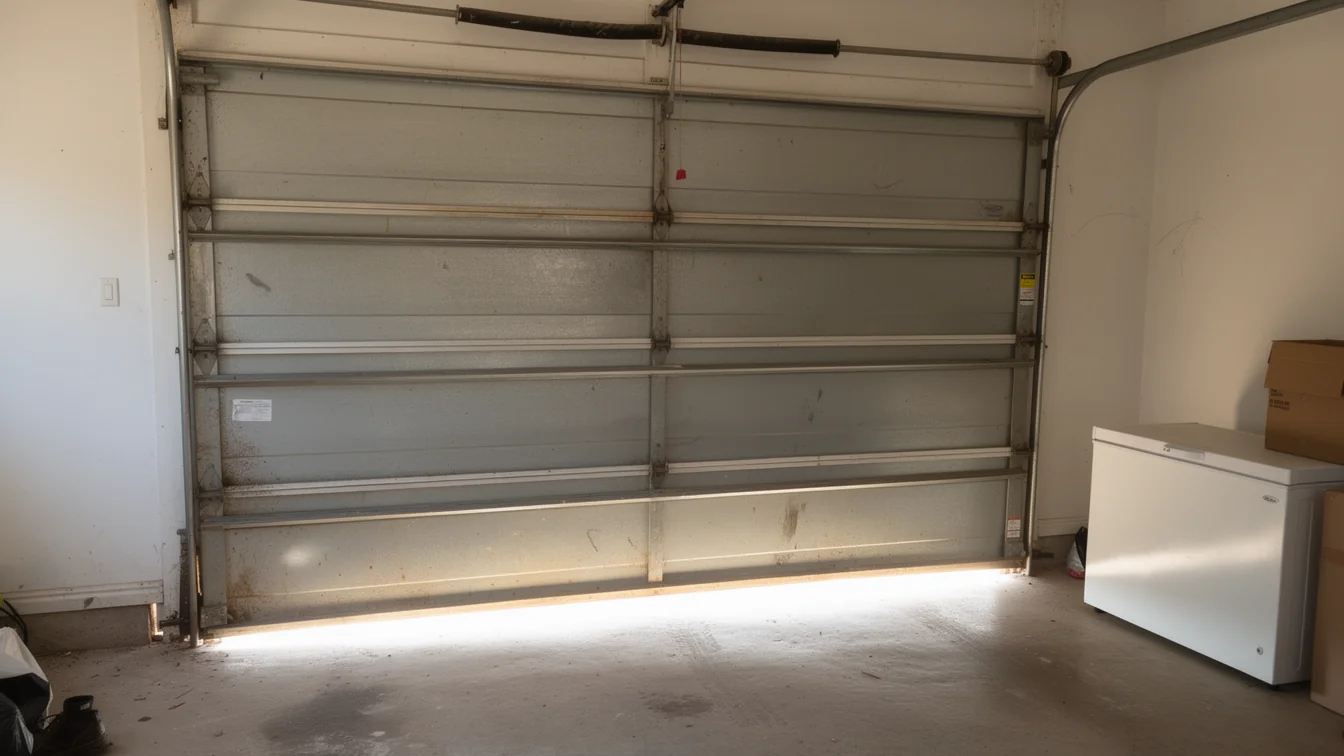
The biggest mistake we see: homeowners assume an uninsulated door is broken or defective. It isn't. A lot of these are doors on houses built before insulation rules existed in residential construction, and that's simply what came with a house from the 1938-2015 window, especially anything closer to the 1973 median. A solid steel or wood slab with no foam core was standard, not a flaw.
The second mistake is importing advice meant for harsher climates. Because the band here is mild, chasing problems like frozen tracks, ice-jammed rollers, or gaps sealed against snowmelt is solving for a condition that doesn't apply. People over-seal, over-insulate, or swap hardware meant to handle temperature swings this area doesn't see. That's money spent solving a problem Newport Beach doesn't have.
What actually wears these doors down is cycle count and age of the original hardware, not weather extremes. Treating a 1960s or 70s door like it needs cold-climate retrofitting means missing the thing that's actually failing: tired springs, worn rollers, hinges that have done fifty years of work.
What Is Going On
Most of the housing stock across this service area dates to the 1960s and 70s, per the broader pattern across the 26 named areas here, with the overall build range running 1938 to 2015 and a median around 1973. A door installed when a house went up in that window is running on original torsion hardware, often with steel tracks and hinges that have had decades of daily cycles.
That's the real story behind most service calls: not storm damage, not extreme weather, but metal fatigue from age and use. A spring rated for a certain number of cycles eventually reaches it regardless of climate. Rollers wear from friction, not frost. Cable fraying comes from repeated flex, not corrosion from freeze-thaw, because freeze-thaw isn't something this climate produces.
One limitation worth saying plainly: we can't always tell you a door's exact age without the install date, since houses in this range span 77 years. What we can tell you is that original hardware from the 1960s-70s cluster is now old enough that failure by wear, not accident, is the most common thing we find when we open the panel.
What Local Conditions Do
The mild temperate band here does one thing clearly: it removes freeze, thaw, and heavy snow load from the list of things your door has to survive. That's a real advantage. Steel doesn't contract and crack seals the way it does somewhere with hard winters, and springs aren't losing tension to cold the way they would in a harsher climate.
What it doesn't do is stop age. A door built into a house from the 1973 median year is still fifty-plus years into its service life regardless of how gentle the weather has been on it. Mild conditions slow one kind of damage and do nothing for the other kind - mechanical wear from thousands of open-close cycles.
So the conditions here mean less urgency on weatherproofing and more attention to the parts that just get old: torsion springs, roller bearings, cable ends. If you own a house anywhere in this build range, that's the trade-off worth understanding before you decide whether a service call is about wear or about something installed wrong from the start.
Frequently asked questions
Is it a problem that my garage door has no insulation?
Not necessarily. A lot of homes in this area were built before insulation rules applied to garage doors, especially anything near the 1973 median build year. An uninsulated slab door isn't defective, it's just what came standard at the time. Whether to add insulation now is a comfort choice, not a repair.
Does Newport Beach's climate affect how long a garage door lasts?
Less than people expect. The mild temperate band here means you're not dealing with freeze-thaw cracking or snow load stress, which is a real advantage. But it doesn't stop age-related wear. A door's springs and rollers still reach the end of their cycle life on schedule, climate or not.
How do I know if my door's hardware is original?
We can't give you an exact install date without records, since the housing stock here spans 1938 to 2015. But if your house falls in the common 1960s-70s cluster found across this area, original torsion hardware from that era is old enough that wear-related failure, not accident damage, is the most likely cause of trouble.
Related garage door services in Newport Beach
More garage door guides
Book garage door service in Newport Beach
Call now or request a quote - tell us what the door is doing and where you are.